
Sump Pump Essentials: Protecting Your Kamloops Home from Spring Flooding
Every spring, Kamloops homeowners face the same challenge: heavy snowmelt and spring rain pushing groundwater toward foundations and into basements. A well-maintained sump pump is one of the most important lines of defence your home has — and now is the perfect time to make sure yours is ready.
What Is a Sump Pump and How Does It Work?
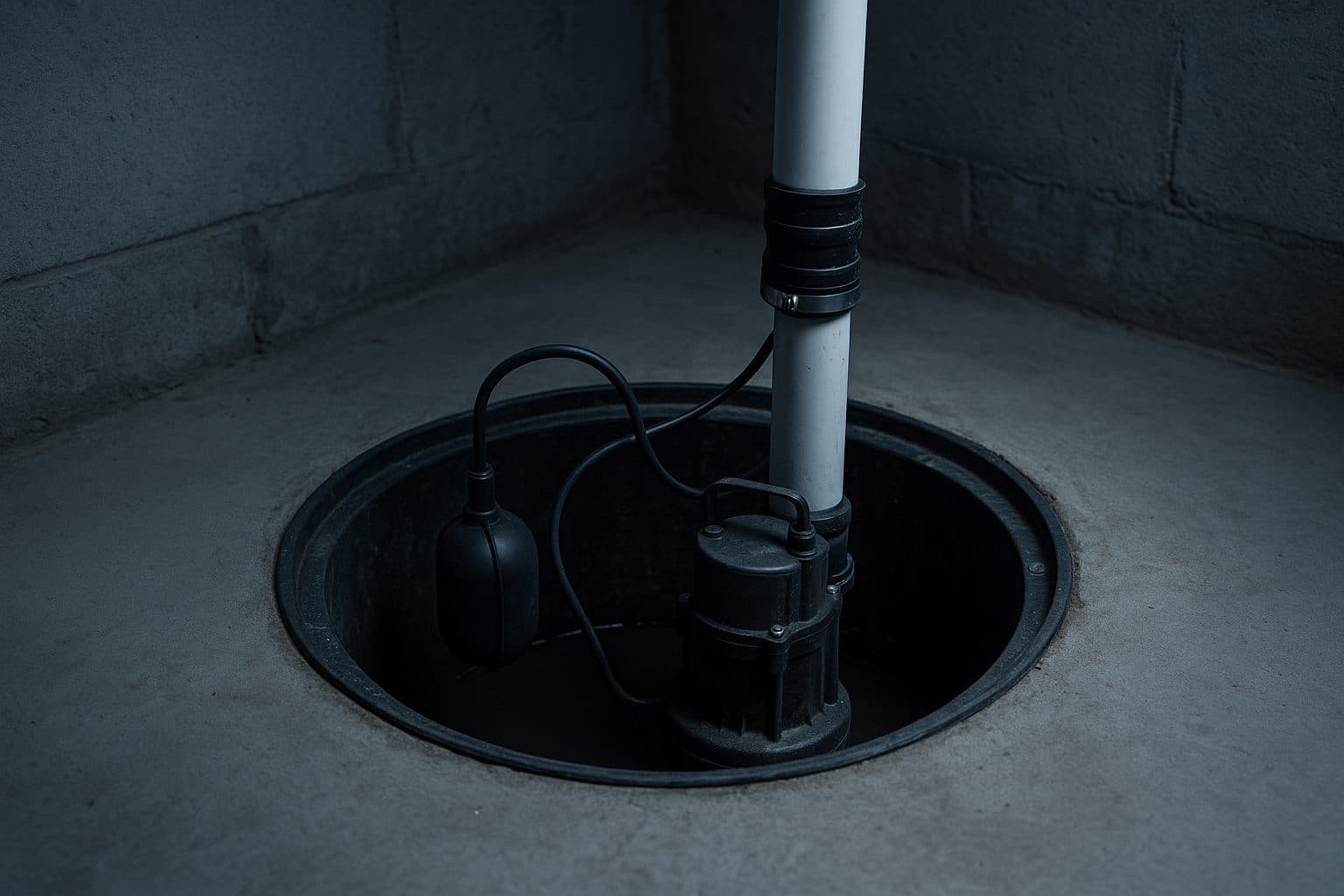
A sump pump sits in a pit (the sump basin) at the lowest point of your basement or crawl space. As groundwater rises and enters the pit, a float switch activates the pump, which then pushes water away from your foundation through a discharge pipe — typically directed to a storm drain or a safe distance from the house.
In Kamloops, where spring runoff from surrounding hills can be significant, even homes that have never flooded can benefit from having a reliable sump pump system in place.
Spring Sump Pump Maintenance Checklist
1. Test the Float Switch
Pour a bucket of water slowly into the sump pit and watch for the pump to activate automatically. If it doesn't turn on — or doesn't turn off — the float switch may need adjustment or replacement.
2. Inspect the Discharge Line
Check the discharge pipe for blockages, ice (a common issue in early spring), or disconnected sections. A blocked discharge line can cause the pump to run continuously without actually removing water.
3. Clean the Sump Pit
Remove debris, gravel, and sediment that may have accumulated over winter. A clogged pit can jam the pump impeller and cause premature failure.
4. Check the Check Valve
The check valve prevents discharged water from flowing back into the pit when the pump shuts off. Listen for a loud thud when the pump stops — that's a sign the valve may be worn and needs replacing.
5. Verify the Power Supply
Ensure the pump is plugged into a dedicated, grounded outlet. A GFCI outlet is recommended in wet areas. Consider whether your panel has a dedicated circuit for the pump.
Warning Signs Your Sump Pump Is Failing
- Pump runs continuously, even in dry conditions
- Unusual grinding or rattling noises during operation
- Pump activates but water level in pit does not drop
- Visible rust or corrosion on the pump body
- Pump is more than 7–10 years old
- Water stains or moisture on basement walls after heavy rain
Should You Add a Battery Backup?
The worst time for a sump pump to fail is during a major spring storm — exactly when a power outage is most likely. A battery backup sump pump activates automatically if your primary pump fails or the power goes out, providing an extra layer of protection during Kamloops' most vulnerable flooding periods.
Some homeowners also install a secondary pump that operates on a higher float setting, ensuring coverage if the primary unit can't keep up with high water volume.
When to Call a Professional
If your pump is older than 10 years, has been making noise, or you've noticed any signs of basement moisture this winter, a professional inspection before peak snowmelt season is a smart investment. Our team can assess your current system, recommend the right pump size for your home, and ensure the discharge line is properly routed away from your foundation.
Don't wait until water is already in your basement — contact Advanced Plumbing Kamloops today to schedule a sump pump inspection and get peace of mind before spring runoff arrives.
Need Professional Plumbing Help in Kamloops?
Our experienced team is ready to help with all your plumbing, heating, cooling, and gas fitting needs.
Contact Us Today